Art as Talent Strategy: How Curated Collections Attract and Retain Employees




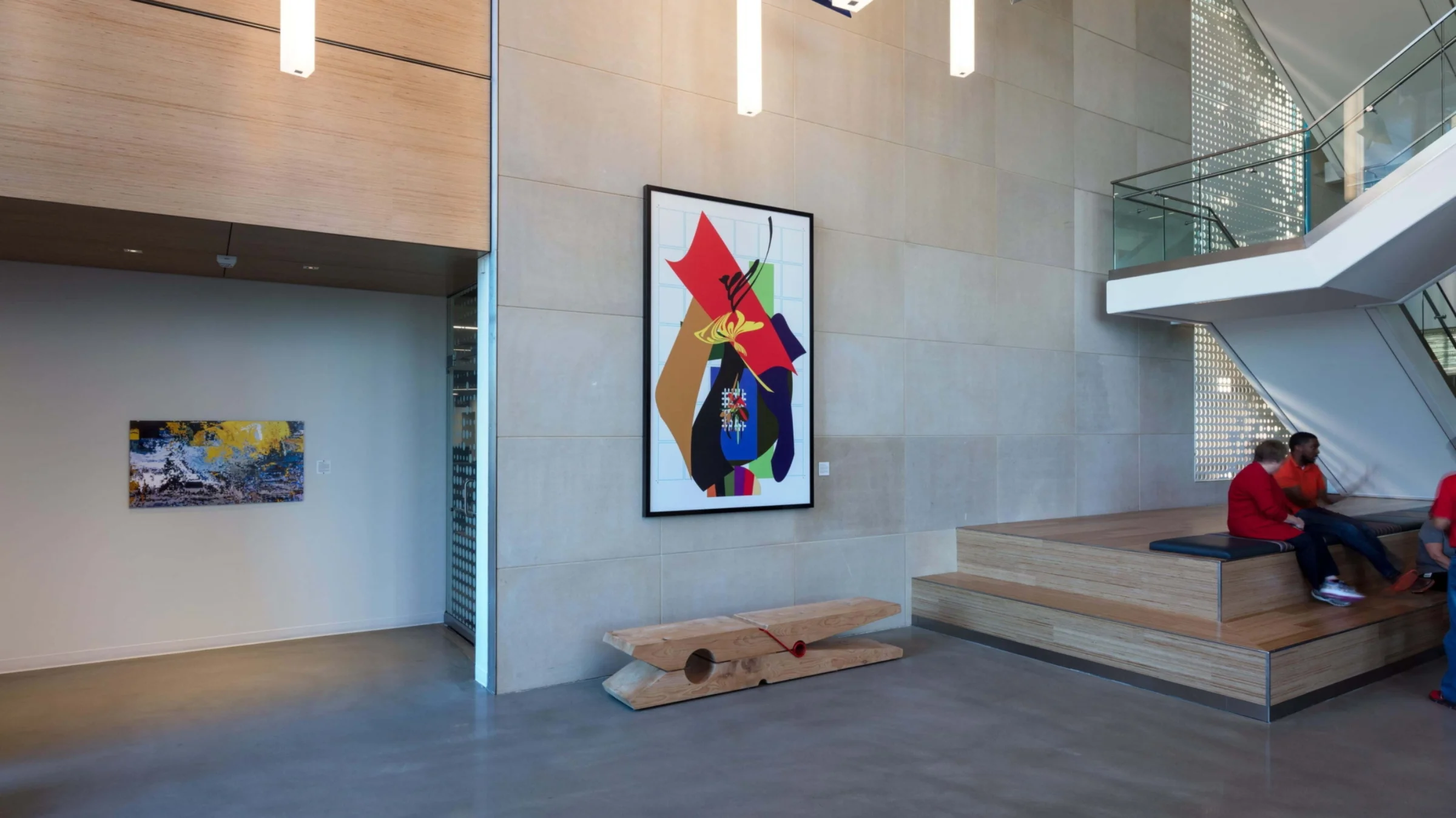
TL;DR: Key Takeaways
- Employee disengagement costs median S&P 500 companies approximately $282 million annually, making talent retention a critical business priority.
- Research from the University of Exeter demonstrates that employees working in art-enriched environments are up to 32% more productive than those in minimalist spaces.
- Harvard's Project Zero study found that workplace art promotes social interactions, elicits emotional responses, and fosters learning—all essential factors in employee engagement.
- With the majority of businesses now enforcing return-to-office policies, creating compelling physical workspaces has become a strategic differentiator.
- A professionally managed corporate art collection communicates company values, enhances employer branding, and transforms offices from functional spaces into destinations employees want to visit.
As organizations navigate the complexities of return-to-office mandates and an increasingly competitive talent market, forward-thinking leaders are discovering an unexpected strategic asset: curated art collections. Far from being a decorative afterthought, corporate art programs are emerging as a powerful tool for attracting top talent, improving employee engagement, and building the kind of workplace culture that retains high performers.
The Hidden Cost of Disengagement
The business case for investing in employee experience has never been clearer. According to McKinsey research, employee disengagement and attrition cost a median S&P 500 company between $228 million and $355 million annually in lost productivity. Over five years, that represents at least $1.1 billion in lost value per company. Gallup's global research paints an equally stark picture: disengaged employees cost the world economy $8.8 trillion in lost productivity each year, equivalent to 9% of global GDP.
These aren't abstract numbers. They translate directly to reduced innovation, higher turnover costs, diminished customer satisfaction, and eroded competitive advantage. Yet most organizations continue addressing engagement through traditional mechanisms—compensation adjustments, benefits packages, and flexible work policies—while overlooking the profound impact of the physical environment itself.
The Science of Enriched Workspaces
Dr. Craig Knight, a workplace psychologist at the University of Exeter, has spent over a decade studying how physical environments affect employee performance. His research findings have been consistent and compelling: employees working in "enriched" environments decorated with art and plants demonstrate productivity improvements of 15-17% compared to those in lean, minimalist spaces. Even more striking, when employees have input into how their workspace is decorated, productivity gains can reach 32%.
The science behind these findings points to fundamental aspects of human psychology. Art provides mental stimulation that translates into enhanced creative thinking and problem-solving capabilities. It creates what researchers describe as an opportunity for employees to "realize their identity" in the workplace, fostering a sense of ownership and belonging that directly correlates with engagement and commitment.
A 2022 study commissioned by Brookfield Properties and conducted by Perspectus Global found that 69% of employees surveyed reported that having "interesting and visually striking art" in the workplace contributes to their well-being. Craig Knight's related research indicates that using art as a form of workplace enrichment can boost productivity by up to 17%. These findings are particularly significant given that only 38% of UK workers surveyed expressed satisfaction with their current workplace atmosphere.
Beyond Aesthetics: Art as Cultural Infrastructure
Harvard's Project Zero study on workplace art identified five primary ways employees are affected by art in their professional environment: it promotes social interactions, elicits emotional responses, facilitates personal connection-making, generally enhances the workplace environment, and fosters learning. These findings suggest that art functions as cultural infrastructure—a framework that shapes how employees interact, collaborate, and identify with their organization.
A thoughtfully curated collection communicates company values without a single word being spoken. A technology firm might select works that celebrate innovation and forward thinking. A financial services company might gravitate toward collections that convey stability, precision, and global perspective. A creative agency might embrace bold, provocative works that signal willingness to challenge conventions. In each case, the art tells prospective and current employees something important about who the organization is and what it values.
Deutsche Bank maintains one of the world's largest corporate art collections, with approximately 60,000 works across 900 offices in 40 countries. As Friedhelm Hütte, the bank's global head of art, has observed, art offers "a window into the social, political and economic aesthetics around the world," making it "a good inspirational fit for our business because we live on developing new ideas for clients and reacting to market conditions."
The Return-to-Office Imperative
The strategic importance of workplace art has intensified as organizations enforce return-to-office policies. The shift has been dramatic: McKinsey's talent trends research shows the proportion of mostly in-person workers doubled between 2023 and 2024, reaching 68%, and major employers from Amazon to JP Morgan have since mandated full-time office attendance. Yet many employees remain reluctant to return, citing productivity concerns and the appeal of home office flexibility.
This creates both a challenge and an opportunity. Organizations must now actively compete with home offices—spaces where employees have complete control over their environment. Creating a workplace that feels worth commuting to requires more than functional furniture and reliable Wi-Fi. It demands environments that inspire, energize, and provide experiences unavailable at home.
Art serves this purpose uniquely well. A dynamic collection creates moments of discovery and conversation. Rotating exhibitions keep the environment fresh and engaging. Works connected to organizational mission reinforce purpose and meaning. Together, these elements transform the office from an obligation into a destination.
Art as Employer Branding
In today's competitive talent market, employer branding has become a critical differentiator. Research shows that companies with strong employer brands experience up to 50% more qualified applicants and can reduce cost-per-hire by as much as 43%. Millennials and Gen Z professionals, who now comprise the majority of the workforce, prioritize workplace culture when evaluating potential employers.
A curated art collection serves as a visible manifestation of organizational values. When candidates walk into an office featuring thoughtful, high-quality artwork, they immediately receive signals about the company's investment in employee experience, its aesthetic sophistication, and its commitment to creating inspiring environments. This first impression shapes perceptions throughout the recruitment process. For organizations competing for talent, this represents a significant opportunity to differentiate through environmental design.
Strategic Implementation: Moving Beyond Decoration
The difference between art as decoration and art as talent strategy lies in intentionality. A strategically conceived collection, aligned with organizational values and thoughtfully integrated into the workplace, transforms the employee experience.
Effective corporate art programs establish clear objectives connecting art selection to organizational identity. They develop acquisition strategies balancing investment considerations with aesthetic impact, implement rotation schedules that keep the environment dynamic, and create programming that deepens engagement. Proper conservation and maintenance protocols protect the collection's value over time.
This level of strategic sophistication requires expertise that most organizations don't possess internally. Partnering with experienced art advisors ensures that corporate collections achieve their full potential as talent strategy assets.
Measuring Impact
Organizations implementing corporate art programs should establish metrics for evaluating effectiveness, including employee engagement survey results, retention rates compared to industry benchmarks, and candidate feedback during recruitment processes. Gallup research indicates that highly engaged teams experience 23% higher profitability and 43% lower turnover than their disengaged counterparts. While art alone doesn't determine engagement, it contributes meaningfully to the overall environmental quality that shapes employee experience.
The C2 Advantage
Creating and managing a corporate art collection that genuinely advances talent strategy objectives requires specialized expertise. C2 Art Advisors brings deep experience in developing corporate art programs that align with organizational goals while navigating the complexities of the art market.
Our approach encompasses strategic collection development, acquisition services leveraging our network of galleries and auction houses, installation oversight ensuring proper display and conservation, and ongoing collection management that maintains and evolves collections over time. For organizations seeking to transform their workspaces into competitive advantages in the talent market, a professionally managed art collection represents a strategic investment with measurable returns.
A New Paradigm for Workplace Design
The most successful organizations recognize that talent strategy extends beyond compensation and benefits to encompass every touchpoint of the employee experience, including physical environment. As return-to-office initiatives reshape workplace norms, organizations that invest in creating genuinely inspiring spaces will attract and retain the talent they need to thrive.
Art is not a luxury in this context—it is cultural infrastructure that shapes how employees experience their workplace, connect with colleagues and organizational mission, and ultimately how engaged and productive they become. The research is clear, the business case is compelling, and the opportunity is available to every organization willing to think strategically about the spaces where work happens.
Contact C2 Art Advisors to discover how a professionally managed corporate art collection can transform your talent strategy.
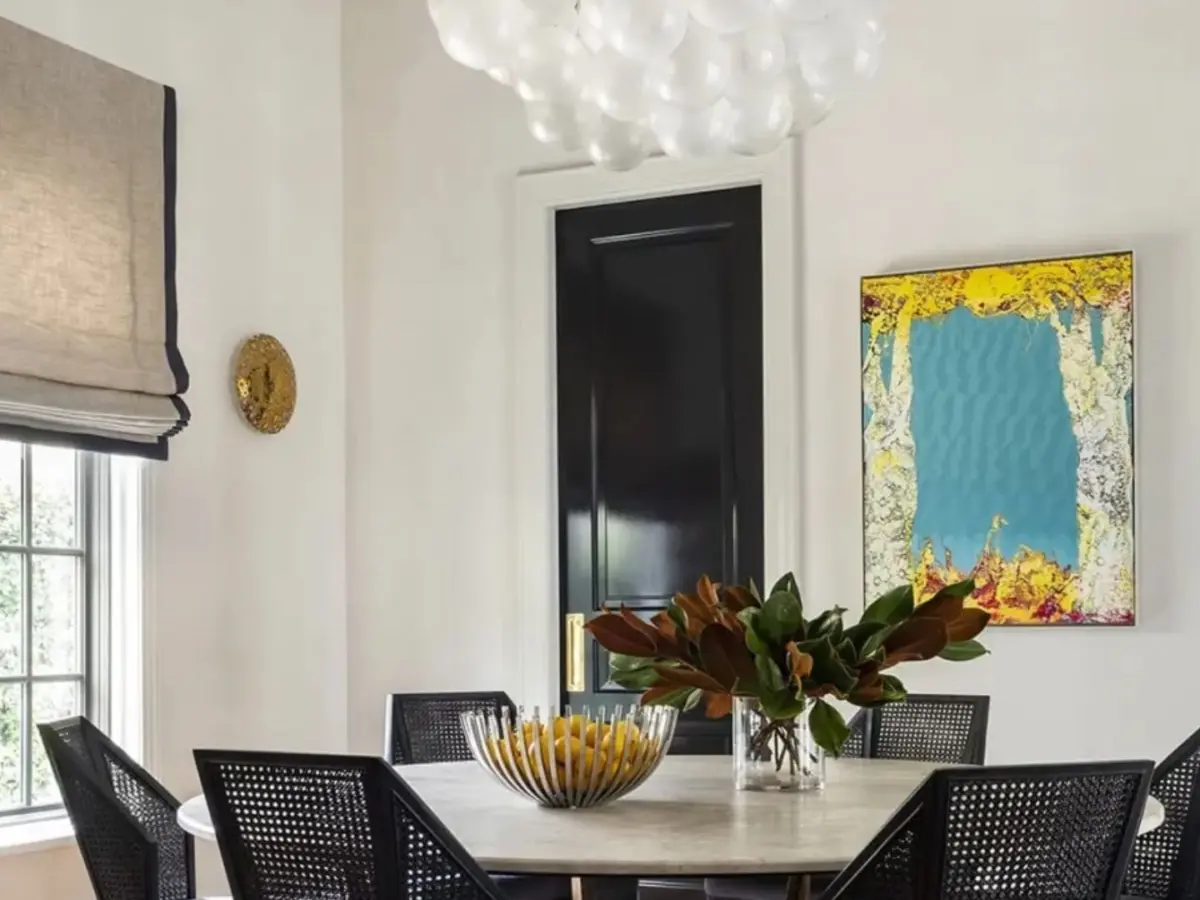
Begin a Conversation About Your Collection
Tell us about your space, your team, and the regional voice you want on your walls. Initial consultations are complimentary and discreet — and always begin with a conversation, not a pitch.