Strategic Art Placement in Houston Homes: Maximizing Visual Impact




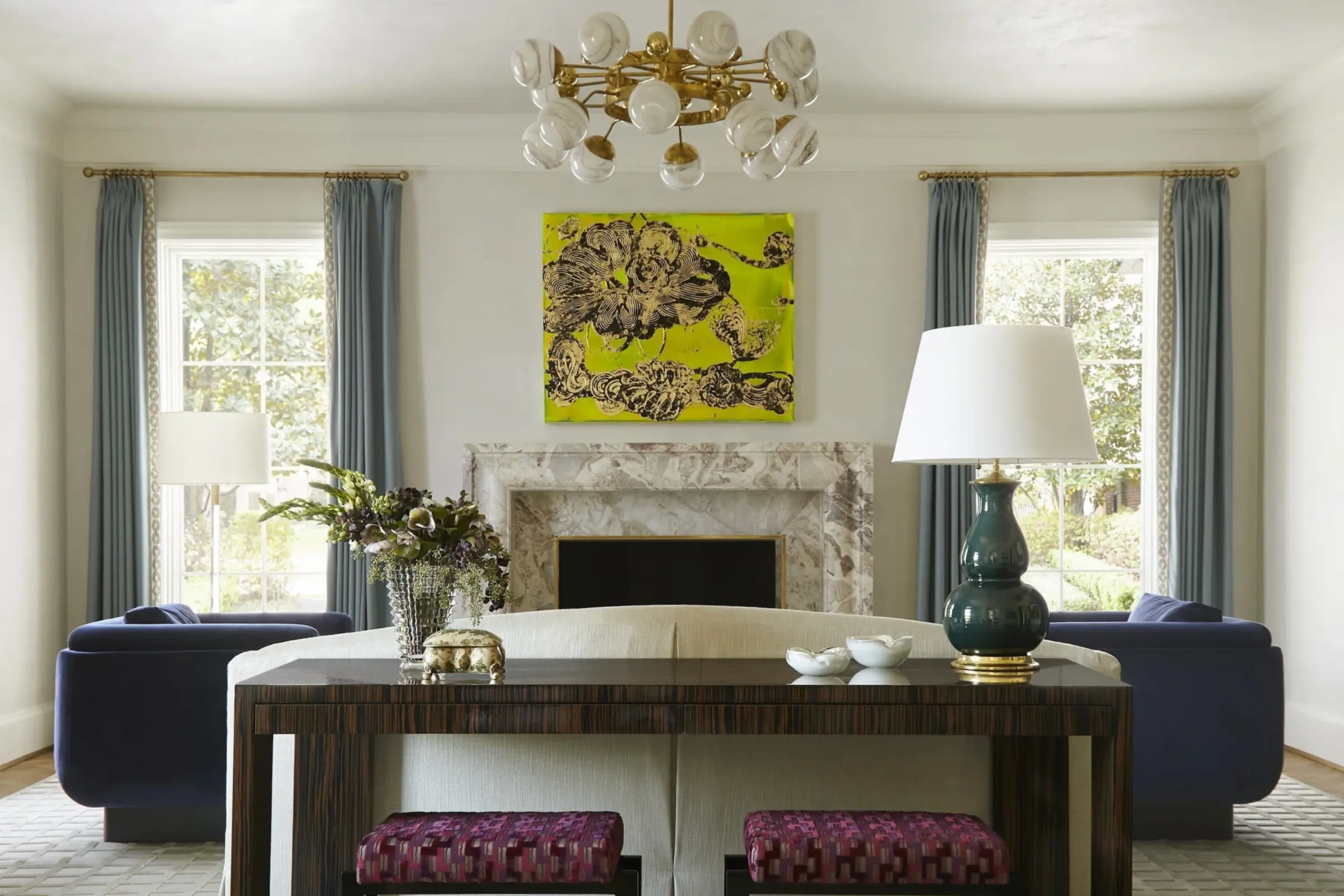
You've spent months perfecting every architectural detail—the proportions, the sightlines, the way natural light moves through each space. The home is stunning. But then the art goes up, and something feels off. A beautiful work overwhelms the fireplace you designed as a focal point. A sculpture disappears in the two-story entry that should showcase it. The carefully calibrated rhythm of the space feels disrupted.
This scenario plays out more often than it should in luxury residential design. The difference between a home that photographs beautifully and one that truly resonates emotionally often comes down to a single critical factor: strategic art placement. At C2 Art Advisors, we work alongside Houston's leading architects to ensure that art completes rather than competes with your architectural vision.
Contact C2 Art Advisors to discover how our collaborative placement expertise can elevate your next project—without ever overriding your design intent.
Beyond Selection: Why Placement Determines Success
Your clients invest significantly in both architecture and art, yet these two elements rarely receive equal strategic consideration during the design process. Many architects understandably focus their energy on spatial design and material selection, assuming that art placement will resolve itself naturally once quality works are acquired.
The reality proves more complex. An extraordinary contemporary canvas or significant sculpture can fall flat when placed without rigorous analysis of architectural context, lighting conditions, and spatial hierarchy. We've seen powerful artworks diminish beautiful rooms and watched modest works transform spaces, all based on placement strategy.
This is where C2's specialized expertise becomes invaluable to your practice. We don't impose our vision, we interpret yours through art placement that honors your architectural narrative while maximizing the emotional impact of each work.
The Science of Sightlines: Honoring Your Spatial Design
Strategic art placement begins with deep respect for the spatial relationships you've established through architecture. Your design already creates a hierarchy of views, a choreography of movement, and moments of discovery throughout the home. Our role is to amplify these architectural decisions through precise art positioning.
Primary sightlines represent your most carefully considered design moments; the first view when entering from the motor court, the visual termination of a long gallery, the focal point framed by a doorway. These critical sightlines deserve artwork that reinforces rather than distracts from your architectural intent.
We map these sightlines with the same precision you apply to architectural elevations, identifying where artwork will be first glimpsed, how it will be approached, and from what angles it will be viewed. This analysis ensures that every work enhances the spatial experience you've designed.
Secondary sightlines matter equally. The view from the kitchen to the living room, the glimpse of the study from the stairway landing, the diagonal perspective across the great room; these moments reveal whether art placement truly understands your architecture. Works positioned with attention to these secondary views reward inhabitants over time, revealing different qualities as they move through spaces the way you intended them to be experienced.
For your projects in River Oaks, Tanglewood or Memorial, where entertaining flows through interconnected spaces, this multi-directional viewing strategy becomes particularly critical. Art must engage from every angle your architecture creates, maintaining visual interest without creating competition between adjacent spaces.
Scale Relationships: Respecting Your Proportions
You've calibrated every dimension in the home—ceiling heights, window proportions, the width of that hallway in relation to the rooms it connects. Art placement requires the same attention to proportion, and mistakes here can undermine your carefully considered architectural ratios.
The fundamental principle we follow is that artwork should feel substantial enough to hold its wall without appearing overwhelmed by your architecture, yet never so dominant that it competes with the spatial volumes you've created. This balance is particularly challenging in the high-ceilinged spaces common to luxury Houston homes, where vertical scale can quickly feel out of control.
Consider the two-story entry you designed for your West University project. The volume demands artwork of significant scale, yet the wrong proportions will make the space feel busy rather than grand. Our approach analyzes the wall as you would, measuring height, width, and the relationship to adjacent architectural elements,then recommends artwork sized to complement rather than fill the volume.
We've found that artwork occupying between 60-75% of available wall width creates visual balance in most contexts, but this guideline requires adjustment based on your specific design language. A minimalist contemporary home might benefit from smaller-scale works with generous breathing room, while a more traditional estate can accommodate fuller wall coverage that creates richness without feeling cluttered.
The relationship between artwork and the architectural features you've designed requires particularly careful calibration. We ensure these elements work in harmony, with art scaled to acknowledge and enhance rather than dominate your architectural gestures.
Lighting: Revealing Architecture and Art Simultaneously
You've designed sophisticated lighting strategies that sculpt space and highlight materials throughout the day. Art placement and lighting must integrate seamlessly with these systems, not work against them.
Natural light presents both opportunities and challenges in Houston's intense climate. The western exposures in many River Oaks and Tanglewood homes create dramatic afternoon light that can beautifully illuminate certain artworks, but it causes irreparable damage to works on paper, photography, and light-sensitive media over time. We evaluate natural light patterns in each space throughout the day and across seasons, positioning light-sensitive works where they achieve visual prominence without conservation risks.
More importantly, we collaborate with you and your lighting designer to ensure artificial lighting enhances both architecture and art. Your carefully specified recessed fixtures, decorative pendants, and cove lighting already create the home's atmospheric lighting. Our role is to integrate accent lighting for artwork that complements rather than competes with this system.
Directional accent lighting creates the most effective presentation for significant works, but the fixtures and beam angles must be coordinated with your architectural lighting plan. We work with your team during the design phase to identify locations requiring dedicated art lighting, ensuring that junction boxes and switching accommodate both your architectural vision and optimal art presentation.
An artwork can completely transform once properly lit and framed within its environment, revealing textures, colors, and details that honor both the artist's intent and your architectural backdrop. This transformation requires technical precision including the right color temperature (typically 3000K for warm contemporary spaces), appropriate beam spread, and precise aiming that eliminates glare on glazed works while providing adequate illumination.
For sculpture and three-dimensional works, lighting becomes even more critical in revealing form while supporting your spatial design. That sunlit atrium you designed for your Memorial project provides an ideal location for a significant sculpture, with natural light creating ever-changing shadows that add temporal dimension to your static architecture.
Creating Focal Points That Support Your Design Narrative
Every space you design establishes a clear hierarchy: primary views, secondary moments, transitional experiences. Art placement strategy provides powerful tools for reinforcing these hierarchies without creating competition.
The commanding architectural features you've designed, i.e.that limestone fireplace surround, the dramatic floating staircase, the floor-to-ceiling window wall, naturally draw attention and represent ideal locations for significant artworks that can hold their own against these strong elements. A bold contemporary canvas positioned above your fireplace creates a focal point that celebrates both the artwork and your architectural feature, with neither diminishing the other.
However, not all focal points need to be dramatic. Your architecture likely creates more subtle moments—the reveal at the top of the stairs, the view through aligned doorways, the quiet corner with the reading nook. These designed moments of discovery deserve art placement that rewards attention without demanding it, creating layers of interest throughout the home.
The concept of visual hierarchy extends beyond individual rooms to encompass the entire residence. We develop comprehensive placement strategies that consider how art creates flow and connection between your spaces, using recurring themes or complementary approaches to create cohesion while avoiding monotony. The progression from public entertaining spaces to private family areas might be reflected through art placement that moves from bold, socially engaging works to more contemplative selections.
Functional Integration: Aligning Art with Architectural Purpose
Your floor plans reflect deep understanding of how your clients will live in each space. Art placement must respect and enhance these functional considerations, not work against them.
High-traffic circulation areas require durable artworks positioned with adequate clearance from passing movement. That gallery hallway you designed connecting the primary suite to the family wing deserves meaningful art that creates an engaging journey, but works must be positioned high enough to avoid contact while remaining at appropriate viewing height.
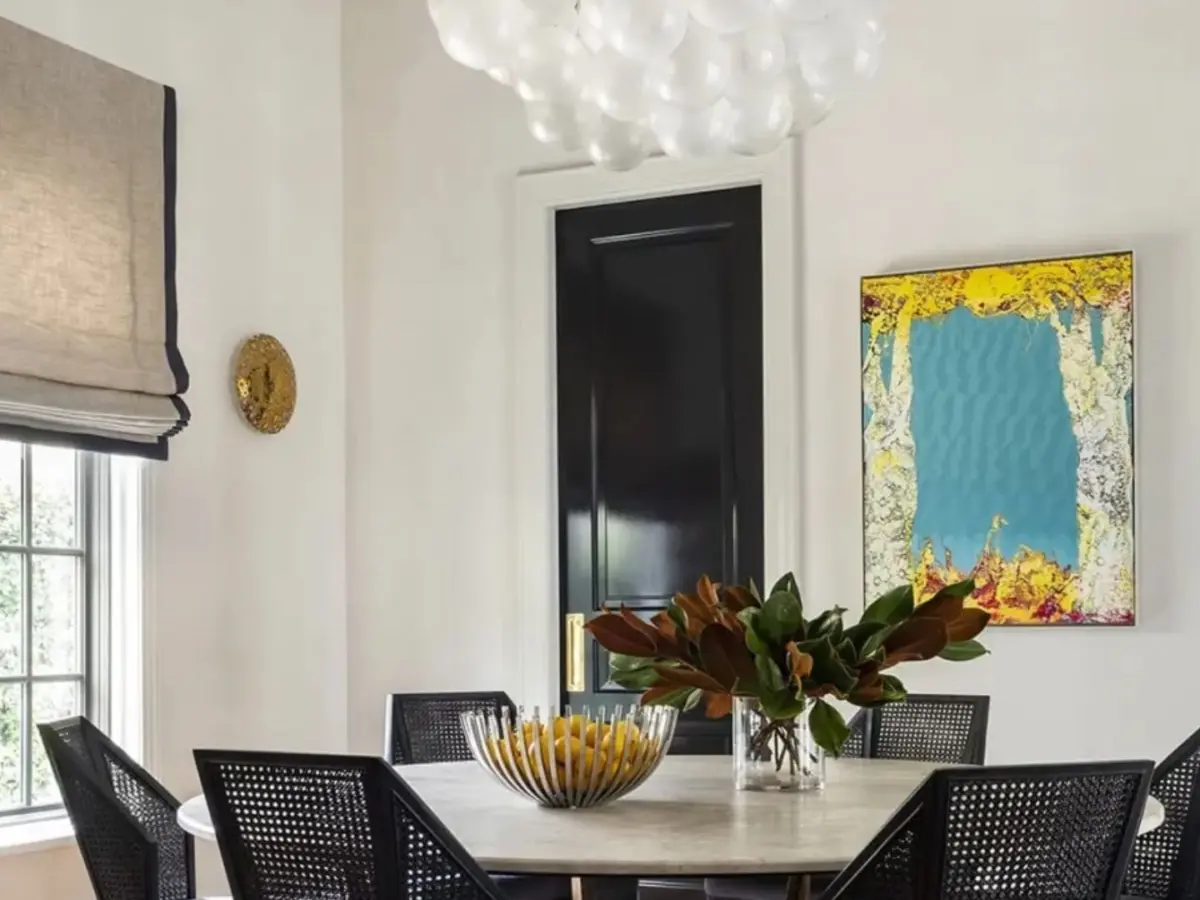
Dining rooms present unique challenges, as artwork must engage guests during extended periods while complementing rather than competing with the architectural experience you've created. The intimate scale you established through ceiling treatments and millwork deserves art that respects these proportions, positioned at appropriate height for seated viewing.
Primary suites require particular sensitivity, as these intimate spaces influence daily emotional states. The serene, spa-like atmosphere you created through material selection and lighting design deserves art that reinforces rather than disrupts this carefully calibrated mood.
Installation Excellence: Protecting Your Reputation
Even the most thoughtful placement strategy fails without flawless execution. Professional installation represents the moment where planning becomes reality, and mistakes here reflect poorly on everyone involved in the project.
We understand that your reputation depends on every detail being perfect for the final reveal. Our installation process includes coordination with your general contractor, respect for construction schedules, and white-glove service that maintains the pristine condition you've worked so hard to achieve.
The technical aspects of installation vary based on wall construction, artwork dimensions, and mounting systems required. We bring specialized expertise in securing works to everything from drywall to exposed concrete, ensuring that valuable art is protected while meeting the aesthetic standards your projects demand.
Every installation is precisely measured, perfectly leveled, and positioned exactly where it belongs. Your clients won't see the technical complexity behind the scenes, they'll simply experience art that feels inevitable, as though it's always been part of your design.
The Collaborative Difference: C2's Partnership Approach
We've worked with enough talented architects to understand a fundamental truth: successful art placement never overrides architectural intent. Our role is to listen first, then translate your vision into curatorial strategies that complete rather than compete with your design narrative.
This collaborative relationship amplifies the strengths of each discipline. You provide essential spatial understanding and overall design vision. We bring specialized expertise in art handling, placement strategy, and technical execution. Together, we create environments where architecture and art achieve seamless integration and tell one cohesive story.
Our process begins during your design development phase, well before artwork is even selected. We review plans and elevations, visit the site during construction, and develop preliminary placement strategies that inform art acquisition decisions. This early collaboration ensures that selected works will actually suit the spaces you're creating, avoiding the common scenario where beautiful art arrives only to discover it doesn't work with the built architecture.
Throughout the process, communication remains discreet and professional. Your clients see one unified team delivering a complete vision. Every detail is handled with museum-level care and the client sensitivity that your reputation demands.
Transforming Architecture Through Strategic Placement
The ultimate measure of successful art placement is seamless integration; the way properly positioned and lit artwork elevates both the individual work and your architectural environment. This reciprocal enhancement represents the highest achievement of strategic placement, creating homes where art and architecture exist in perfect dialogue.
We've witnessed this transformation in projects throughout Houston: a contemporary canvas that seemed merely attractive in the gallery becomes transcendent when positioned against the textured stone wall you specified, with precision lighting that honors both materials. A sculpture that appeared static gains life when placed where natural light through your carefully positioned windows creates ever-changing shadows throughout the day.
These transformative moments don't happen by accident. They result from expertise, experience, and rigorous application of placement principles.
Complete Your Vision with Expert Placement Strategy
Your architectural work deserves art that completes rather than competes with your design narrative. Strategic placement represents an opportunity to differentiate your projects and provide measurable additional value to clients who expect every element to work in perfect harmony.
At C2 Art Advisors, we understand the care, coordination, and craftsmanship that go into every home you design. We partner seamlessly with architects who expect the same level of intentionality from every collaborator and handle every detail with precision and discretion, ensuring that art installation is effortless and always reflects well on you.
Contact C2 Art Advisors to discuss how our placement strategies can enhance your current and future projects. Whether you're working on a new River Oaks estate or a Memorial renovation, our team brings the specialized knowledge that transforms good intentions into exceptional results; creating homes where every artwork occupies precisely the position where your architectural vision is most fully realized.
The experience is seamless. The result is transformative. Your work, finally complete.

Begin a Conversation About Your Collection
Tell us about your space, your team, and the regional voice you want on your walls. Initial consultations are complimentary and discreet — and always begin with a conversation, not a pitch.