Telling Local Stories: Curating Art that Reflects Place and Community




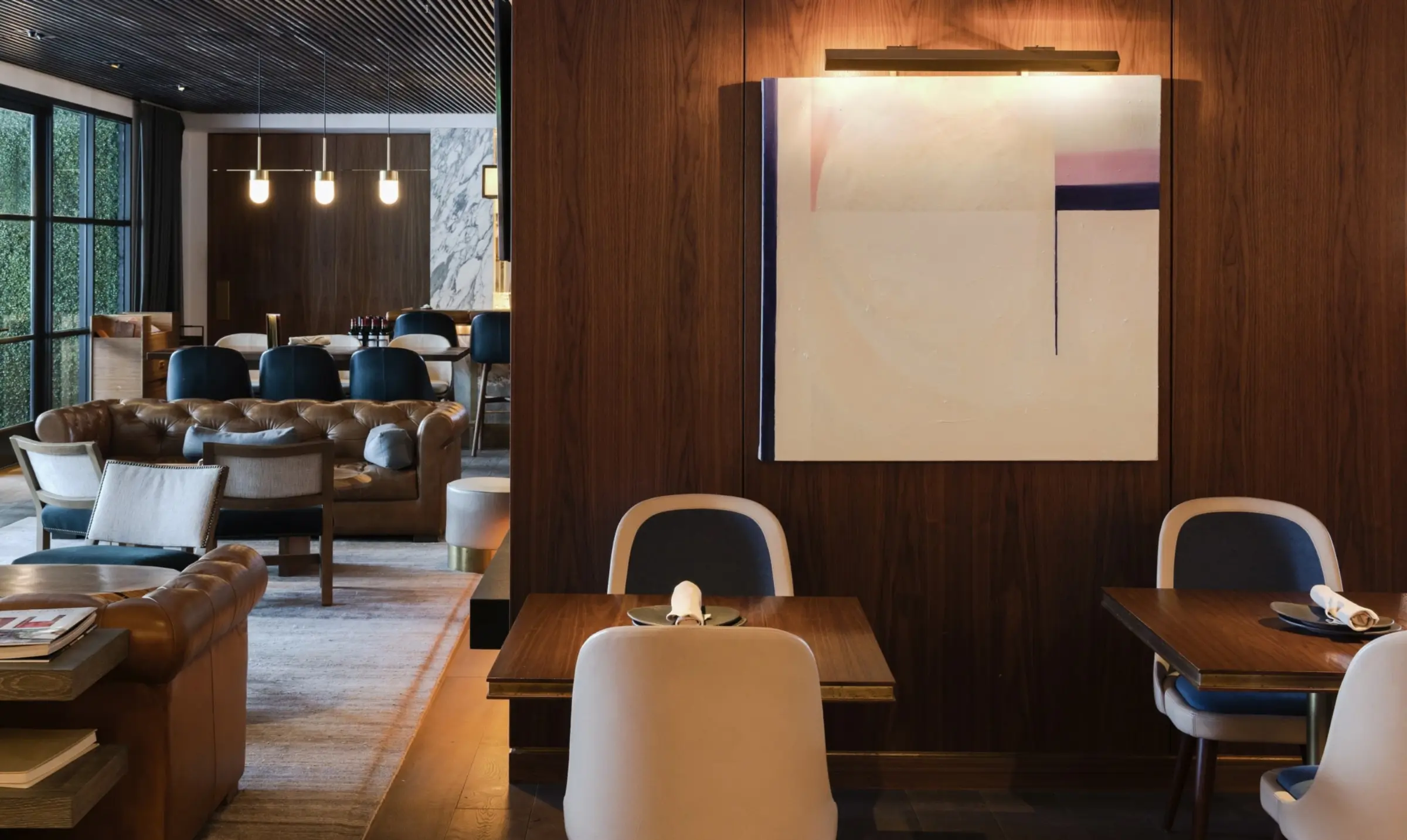
How hospitality properties can develop art collections that connect guests to their destination and create memorable, authentic experiences.
Key Takeaways
- Today's travelers prioritize authentic local experiences over generic accommodations, with research showing that nearly 80% consider food and cultural experiences important factors in choosing destinations.
- Thoughtfully curated local art collections create a distinctive sense of place that differentiates properties in competitive markets while supporting regional creative communities.
- Hotels with curated art programs report measurable business benefits, including higher guest satisfaction scores, increased brand loyalty, and revenue uplifts of 2 to 5 percent.
- Successful place-based art curation requires early planning, regional artist partnerships, and professional guidance to balance cultural authenticity with design cohesion.
Ready to create an art collection that tells your property's unique story? C2 Art Advisors partners with hospitality developers, designers, and operators to curate collections that connect guests to place while meeting budget and timeline requirements. Learn about our hospitality art advisory services.
The Rise of Authentic Travel Experiences
Today's travelers aren't just looking for a place to sleep. They're seeking meaningful connections to the destinations they visit. According to Booking.com's 2026 Travel Predictions report, based on surveys of nearly 30,000 travelers across 33 countries, vacations are becoming more individual, more experimental, and more focused on personal expression and authentic discovery.
This shift toward authenticity has profound implications for hospitality properties. A TravelBoom study found that nearly 80% of travelers say food and cultural experiences play an important role in destination choice, while research from GetYourGuide revealed that 51% of leisure travelers consider experiencing a destination as a local to be a high priority. For hotel developers, restaurant owners, and hospitality designers, these statistics point to a clear opportunity: properties that create genuine connections to place will stand out in an increasingly crowded marketplace.
Art offers one of the most powerful tools for creating this sense of place. Unlike interchangeable furniture or generic finishes, thoughtfully curated artwork can tell the story of a region, celebrate its creative heritage, and provide guests with visual touchpoints that anchor their experience in something real and rooted.
Why Local Art Matters in Hospitality
The hospitality industry has undergone a fundamental shift in how it approaches art. What was once an afterthought designed to fill empty walls has evolved into a strategic design element that shapes brand identity and guest experience. According to the American Hotel & Lodging Educational Institute, hotels with curated art collections report higher guest satisfaction and increased brand loyalty compared to properties with generic decorative elements.
The business case extends beyond guest perception. Australian hospitality industry analysis indicates that properties with professionally curated, site-specific art programs achieve revenue per available room (RevPAR) uplifts of 2 to 5 percent, alongside average daily rate increases of up to 3.9 percent. Additionally, 62 percent of guests say distinctive local art and design features make them more likely to book directly with the hotel, helping operators reduce online travel agency commissions.
Beyond the numbers, local art creates something that cannot be replicated by competitors: a distinctive identity tied to geography. A beachside resort that features ceramics echoing the shoreline, a city hotel showcasing street photography capturing daily urban rhythms, or a rural retreat highlighting landscapes by regional painters all create experiences guests cannot find elsewhere. These aren't merely decorative choices; they're strategic investments in differentiation.
Creating Narrative Through Regional Art
The most compelling hospitality art programs tell stories. They weave together visual elements that reference local history, natural landscapes, cultural traditions, and contemporary creative voices to form a cohesive narrative guests can discover throughout their stay.
Consider how this works in practice. A hotel in a historic district might commission contemporary artists to create works that reinterpret the area's architectural heritage, bridging past and present while celebrating the community's evolution. A coastal property could feature works by local photographers documenting the fishing traditions that have shaped the region for generations, or sculptures crafted from materials native to the area.
This approach has gained significant momentum across the industry. Hotels like San Diego's Granger and Guild properties have launched artist residency programs that not only bring original work to their walls but also position the properties as cultural hubs for their communities. As Kevin Mansour, co-founder of the hotel group, noted, "We believe in every great city, arts is a great component... we are planting the seeds of that."
The key is approaching art curation with the same intentionality applied to other design elements. The collection should feel organic to the property's identity rather than imposed upon it, creating an immersive experience where guests feel they've stepped into a space that could only exist in this particular location.
Building Connections with Local Creative Communities
Developing a place-based art collection begins with understanding and engaging the local creative ecosystem. This involves research into the region's artistic traditions, identifying both established and emerging artists whose work resonates with the property's vision, and building relationships that can evolve over time.
For hotel developers and hospitality designers, this process often reveals unexpected opportunities. Local artists frequently bring insights into regional culture, history, and aesthetics that can inform not just art selection but broader design decisions. A collaborative approach that involves artists early in the project timeline can yield site-specific commissions that become signature elements of the property.
Supporting regional artists also generates goodwill within the community. Properties that champion local talent become recognized as cultural contributors rather than simply commercial enterprises, fostering relationships that benefit both the business and the broader creative economy. This community integration aligns perfectly with the hospitality trend toward experience-led stays and cultural immersion that industry forecasters predict will continue shaping guest expectations.
Practical Considerations for Place-Based Art Programs
Developing a successful local art collection requires balancing creative vision with practical realities. Several key considerations guide effective programs:
Start early in the design process. Art should be integrated from the initial planning stages, not added as an afterthought after construction is complete. Early planning allows for custom commissions, proper infrastructure for lighting and hanging systems, and thoughtful placement that maximizes impact. When art is planned alongside architecture and interior design, the result feels cohesive rather than decorative.
Balance local authenticity with design cohesion. While the goal is connecting guests to place, the collection must also work harmoniously within the overall design scheme. This requires careful curation that considers scale, color palette, medium, and mood. The collection should feel unified while representing diverse voices and perspectives from the region.
Consider the full guest journey. Art placement should enhance the guest experience at every touchpoint, from dramatic lobby installations that create memorable first impressions to quieter guestroom works that invite contemplation. Public spaces might feature bolder, conversation-starting selections, while private spaces benefit from calming works that support rest and relaxation.
Plan for long-term management. A thoughtfully curated collection is an ongoing investment. Considerations include proper conservation and care protocols, insurance documentation, and strategies for rotating or refreshing selections over time. Properties should also plan for how the collection might evolve as local artists grow in recognition or new talents emerge.
The Role of Professional Art Advisory
Creating a place-based art collection that successfully connects guests to destination while meeting hospitality industry requirements is a specialized undertaking. Professional art advisors bring expertise that bridges the gap between creative vision and operational realities, offering solutions to the challenges hospitality designers commonly face when sourcing art.
Experienced advisors maintain relationships with artists, galleries, and collectors that provide access to work not available through standard channels. They understand market dynamics, can negotiate favorable terms, and ensure proper documentation for each acquisition. Perhaps most importantly, they can translate a property's vision into a curatorial strategy that balances artistic integrity with budget constraints and timeline requirements.
For hospitality projects, art advisory partnerships often prove particularly valuable during commissioning processes. Working directly with artists to create site-specific works requires skilled project management, clear communication of expectations, and expertise in contract negotiation. Advisors also oversee logistics from transportation and insurance to professional installation, ensuring valuable works are properly protected throughout the process.
Looking Ahead: Art as Competitive Advantage
As the hospitality industry continues evolving toward experience-driven differentiation, properties that invest in meaningful local art collections position themselves for long-term success. The trend toward authentic, place-based travel shows no signs of slowing. If anything, younger generations demonstrate even stronger preferences for culturally immersive experiences.
The properties that will thrive are those that recognize art not as a finishing touch but as a foundational element of guest experience. Through thoughtful curation of regional work, they create environments that cannot be replicated, stories that cannot be told elsewhere, and connections to place that guests remember long after checkout.
For hospitality developers, designers, and operators ready to differentiate their properties through place-based art, the opportunity is clear. The question is not whether to invest in local art, but how to do so most effectively.
C2 Art Advisors specializes in hospitality art programs that connect guests to destination while delivering measurable business results. From initial collection strategy through installation and ongoing management, our team provides comprehensive support for properties seeking to differentiate through art. Contact us to discuss how we can help create an art collection that tells your property's unique story.
Begin a Conversation About Your Collection
Tell us about your space, your team, and the regional voice you want on your walls. Initial consultations are complimentary and discreet — and always begin with a conversation, not a pitch.