Building an Art-Ready Design Package
A practical guide for interior designers and residential architects on integrating art recommendations into client presentations, with visualization techniques and budget strategies that turn approval conversations into confident decisions.


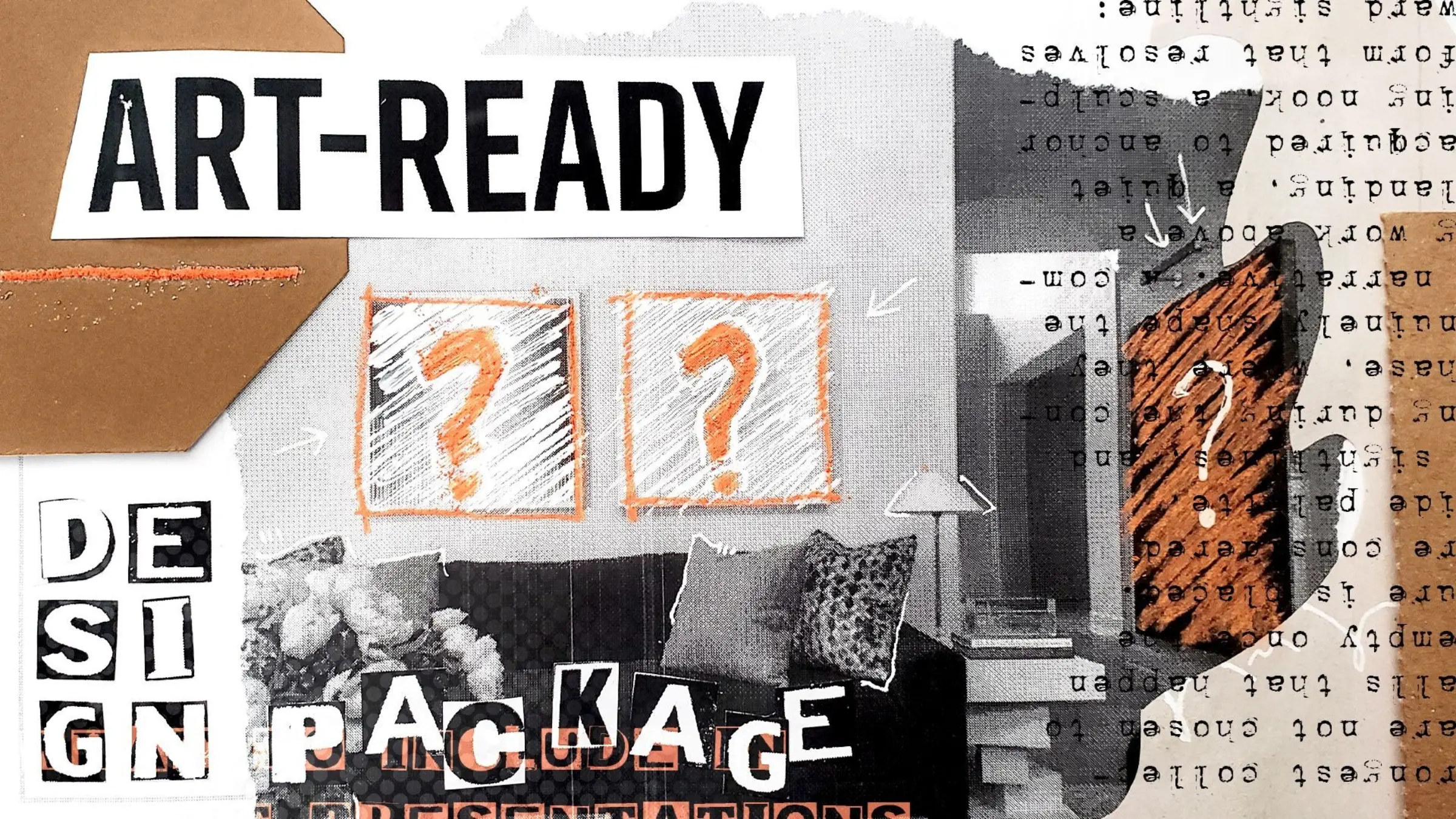
Visualization closes the decision gap. Clients commit to art they can clearly picture in the room, and the profession is investing accordingly. Designer adoption of AI tools for work such as renderings and client presentations tripled in 2025, a clear signal of how much showing the finished space now matters to winning approval.
Art belongs in the package early. When artwork enters during concept development, while the design is still taking shape, the collection can drive the narrative instead of filling whatever wall is left at the end.
Budget framing changes the conversation. Presenting art as a defined line item with investment context, rather than an open-ended allowance, helps clients understand value and decide with confidence.
Local sourcing carries real weight. With collectors increasingly buying close to home, regionally connected artwork offers Houston and Dallas/Fort Worth clients both authenticity and logistical advantages.
Expert collaboration removes risk. Working with an art advisor gives design teams access, investment guidance, and installation support without expanding their own scope.
The Presentation Gap Between Design and Art
Most design professionals can render a room down to the weave of a throw and the temperature of the lighting, and the tools for doing so are advancing quickly. According to the 1stDibs 2026 Designer Trends Survey, the share of designers using AI tools tripled in 2025, reaching 29% from just 9% two years earlier, with renderings and client presentations among the leading applications.
Art is often the exception to all of this visual rigor. In far too many presentations, artwork appears as a grey placeholder rectangle on an elevation, a vague note to source something later, or a single reference image pulled in at the last moment. Clients cannot respond with confidence to what they cannot see, and so the most personal element of the room becomes the easiest to defer, discount, or value-engineer away.
The problem is rarely the art itself, but how it reaches the client. When art is the only element left to the imagination, it competes against furnishings and finishes that have been fully visualized, costed, and specified, and it loses that competition almost every time. Our work alongside design teams begins from a simple premise: artwork deserves the same rigor of presentation as every other decision in the room, prompting clients to say yes far more readily.
For example, artwork we proposed for one client, Carrabba’s, was captured in elevations alongside furniture, fabrics, wall coverings and lighting.
Why Artwork Belongs in the Package From the Start
The strongest collections are not chosen to fill walls that happen to be empty once the furniture is placed. They are considered alongside palette, scale, sightlines, and lighting during the concept phase, where they can genuinely shape the design narrative. A commanding work above a stair landing, a quiet study acquired to anchor a reading nook, a sculptural form that resolves an awkward sightline: these decisions are most powerful when they inform the architecture and layout rather than react to it.
Leading designers frame artwork in exactly these terms. Jessica Davis, founder of the ELLE DECOR A-List studio Atelier Davis, advises that art should not simply decorate a room. She insists that art should echo the tastes, interests, and personalities of the people who live there. Artwork chosen to express who the client is earns its place in the design from the very beginning.
This early integration also reflects where luxury clients already are. Curated collections of artwork have become a defining expression of personalization in high-end interiors, signaling a homeowner's discerning eye in a way that no furnishing can replicate. Treating art as a structural design element rather than a finishing flourish positions the designer as the author of a complete, considered environment.
Our team works alongside yours throughout this phase, contributing market access and curatorial perspective while the design vision and the client relationship stay firmly with you.
Visualization Techniques That Earn Client Confidence
Visualization is where most art approvals are won or lost. The interior design software market has moved decisively toward immersive, photorealistic client presentations, with 3D tools now leading the category, precisely because clients make better decisions when they can see the finished space.
The same principle applies to artwork. A few techniques consistently move clients from hesitation to commitment:
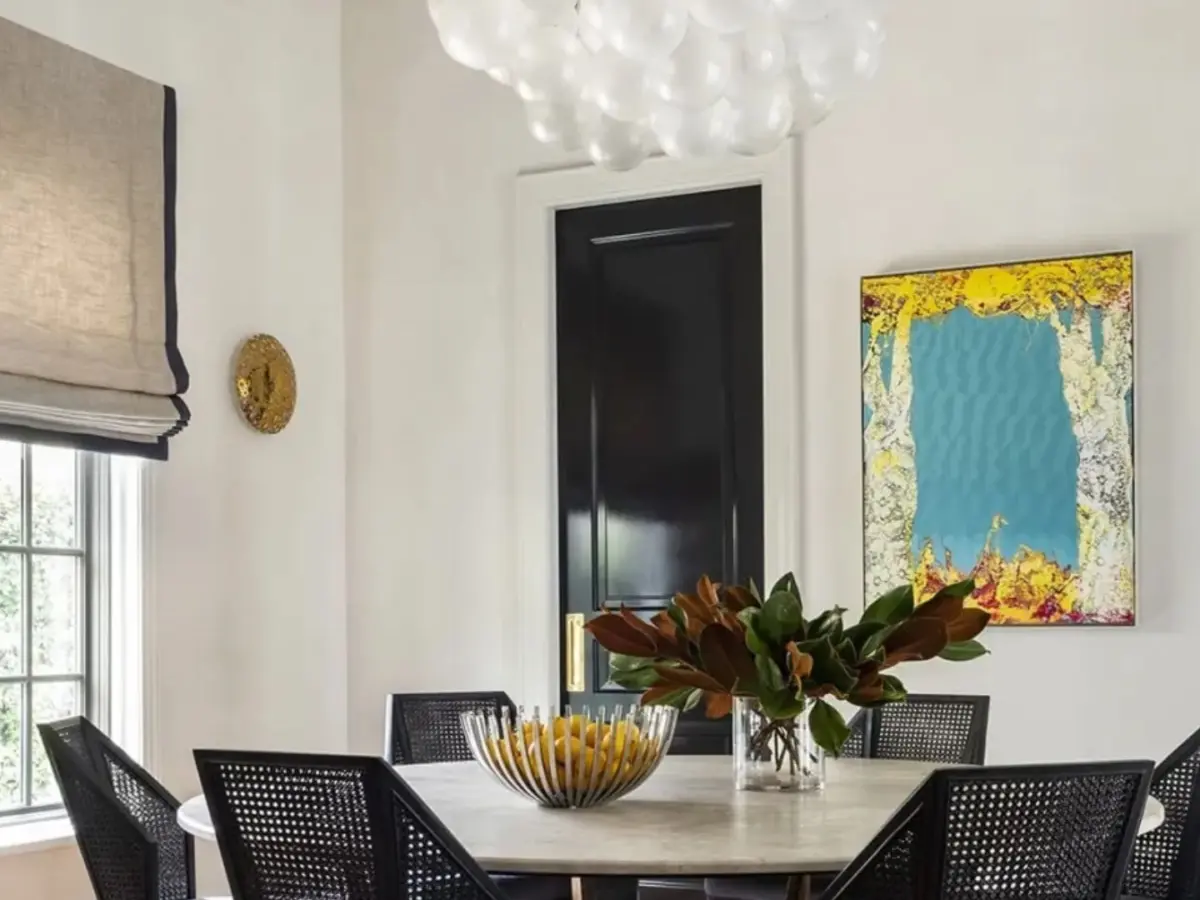
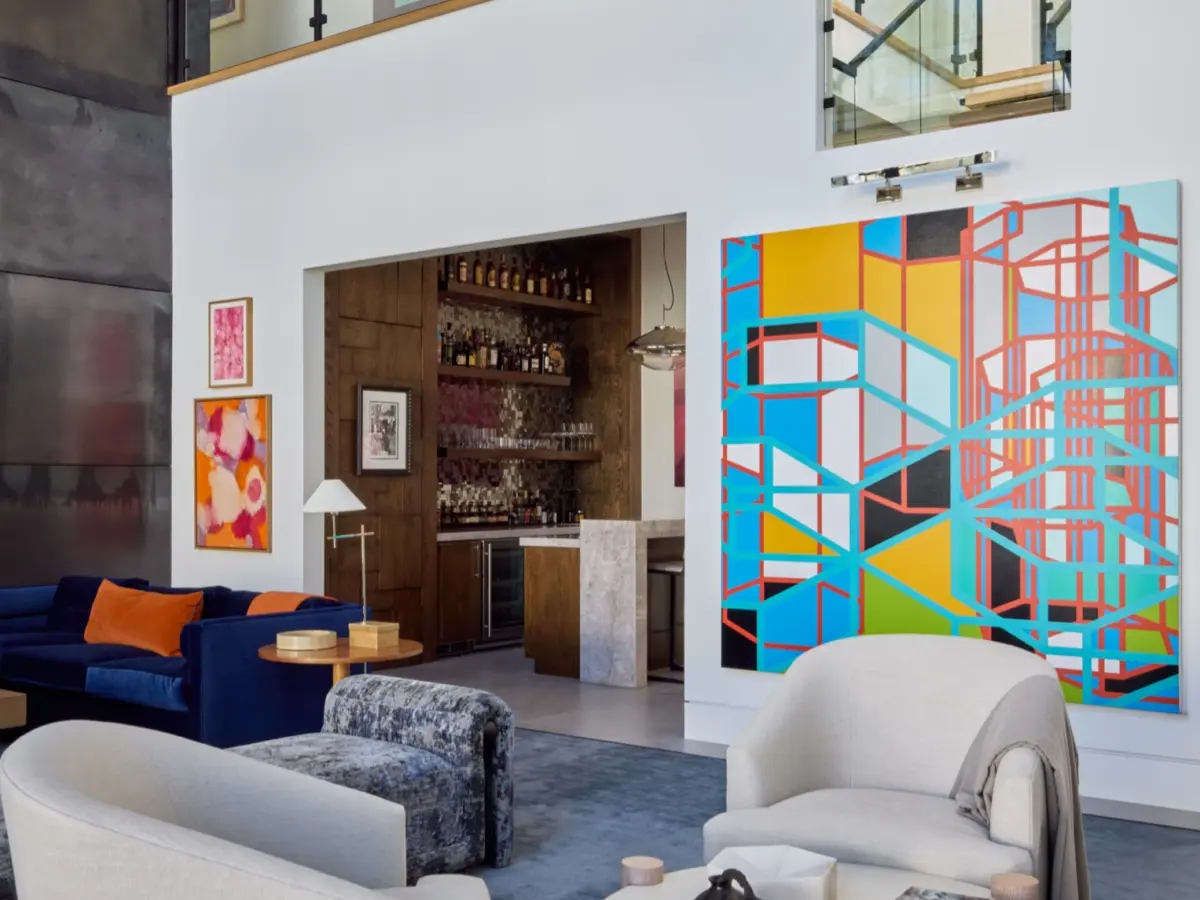
- Artwork rendered in situ. Place the actual proposed work, at true scale, into the rendering or photograph of the room. Seeing a specific canvas in its intended position, under the room's lighting, transforms an abstract idea into a concrete choice.
- Scaled placement studies. Provide to-scale elevations showing each work's footprint on the wall, with dimensions and spacing. This reassures clients that the proportion is right and prevents the common surprise of art that reads too small once hung.
- Curated option boards. Present two or three considered directions rather than a single answer. Giving clients a guided choice between strong options builds ownership and accelerates the decision, while keeping the selection within a coherent curatorial vision.
- Lighting and material studies. Show how a work will read under the room's actual lighting, and include framing or finish samples where possible. The interplay between a work and its illumination is often what distinguishes a gallery-quality result from a flat one.
- Living-with-it previews. Where a decision is significant, large-format prints or on-site digital mockups let clients experience scale and presence before committing. The confidence this builds is difficult to achieve any other way.
Integrating Art Into the Budget Conversation
How art appears in the budget shapes how seriously clients treat it. An open-ended allowance invites the work to be trimmed first when costs tighten. A defined line item, presented with context, invites a real decision. We help design teams frame the art budget so that it reads as a deliberate investment rather than a variable to be minimized.
- Present a defined range, not a vague allowance. A specific budget band for the art program, tied to named works or curatorial directions, gives clients something concrete to approve.
- Anchor with investment context. Artwork occupies a market that reached an estimated $59.6 billion globally in 2025, with the United States accounting for roughly 44% of sales. Provenance, market research, and an artist's trajectory give clients a framework for understanding value. We are careful to discuss cultural and potential financial value without promising returns that cannot be substantiated.
- Separate acquisition from execution. Distinguish the cost of the work itself from framing, installation, and conservation. Clarity here prevents the late surprises that erode trust and stall projects.
- Offer a phased acquisition roadmap. Few clients need to complete a collection at once. A staged plan lets a collection develop over time, spreading investment while giving the home room to evolve.
What a Complete Art-Ready Package Includes
When art is presented with the same completeness as the rest of the design, approval becomes the natural next step. A presentation-ready art package generally includes:
- A concept narrative connecting the proposed artwork to the overall design story and the client's sensibility.
- Curated artwork options, each shown with high-quality images and in-situ visualizations in the intended space.
- Scaled placement drawings or elevations confirming proportion, height, and spacing.
- A specification summary per work: artist, medium, dimensions, biography, and a provenance overview.
- A transparent budget breakdown covering acquisition, framing, installation, and ongoing care.
- Sourcing and lead-time notes, so timelines align with the construction or install schedule.
- An optional phased roadmap for collections intended to grow over several years.
The Regional Advantage: Sourcing Close to Home
There is a meaningful case for sourcing artwork with regional roots. Collectors are buying closer to home than they have in years: the latest Art Basel and UBS market research reports that smaller dealers now make the majority of their private sales to local buyers, a clear shift toward home markets.
Designers are following the same path. In the 1stDibs 2026 survey, 92% of designers reported that tariffs introduced in 2025 had affected their businesses, and the share of items sourced domestically rose to 72%, as teams worked to avoid the cost and complexity of buying abroad.
For clients in Houston and Dallas/Fort Worth, regionally connected works offer authenticity that resonates, a genuine story for the designer to tell, and practical advantages in viewing, transport, and installation timelines.
Our presence in the Texas market gives design teams direct access to regional talent alongside national and international sources. That access lets a collection reflect a sense of place when the client wants it, without limiting the quality or ambition of the works under consideration.
How We Support Your Practice
Building an art-ready package draws on capabilities that sit outside most design practices: deep market access, provenance research, framing and installation expertise, and long-term collection stewardship. Assembling these internally is rarely practical, and sourcing art independently exposes designers to logistical burden and acquisition risk that they should not have to carry.
We work as a true extension of your practice, not a competing voice. The design vision remains yours, the client relationship remains yours, and our role is to make the art component effortless and credible: sourcing works unavailable through conventional channels, conducting the due diligence that protects a client's investment, overseeing framing and museum-quality installation, and managing the collection over time.
The result is a richer presentation, a more confident client, and a finished environment that elevates your work.
Make art the easiest yes in your next presentation.
C2 Art Advisors helps interior designers and residential architects across Houston and Dallas/Fort Worth build presentation-ready art recommendations, from curation and sourcing through installation and ongoing collection management. Learn more about our advisory services or contact our team to discuss your next project.
Begin a Conversation About Your Collection
Tell us about your space, your team, and the regional voice you want on your walls. Initial consultations are complimentary and discreet — and always begin with a conversation, not a pitch.