Inside Houston's Rise as a Force in the High-Dollar Art Market
Texas now ranks fourth nationally for art sales over $1 million, with Houston driving much of the momentum. What it means for collectors.




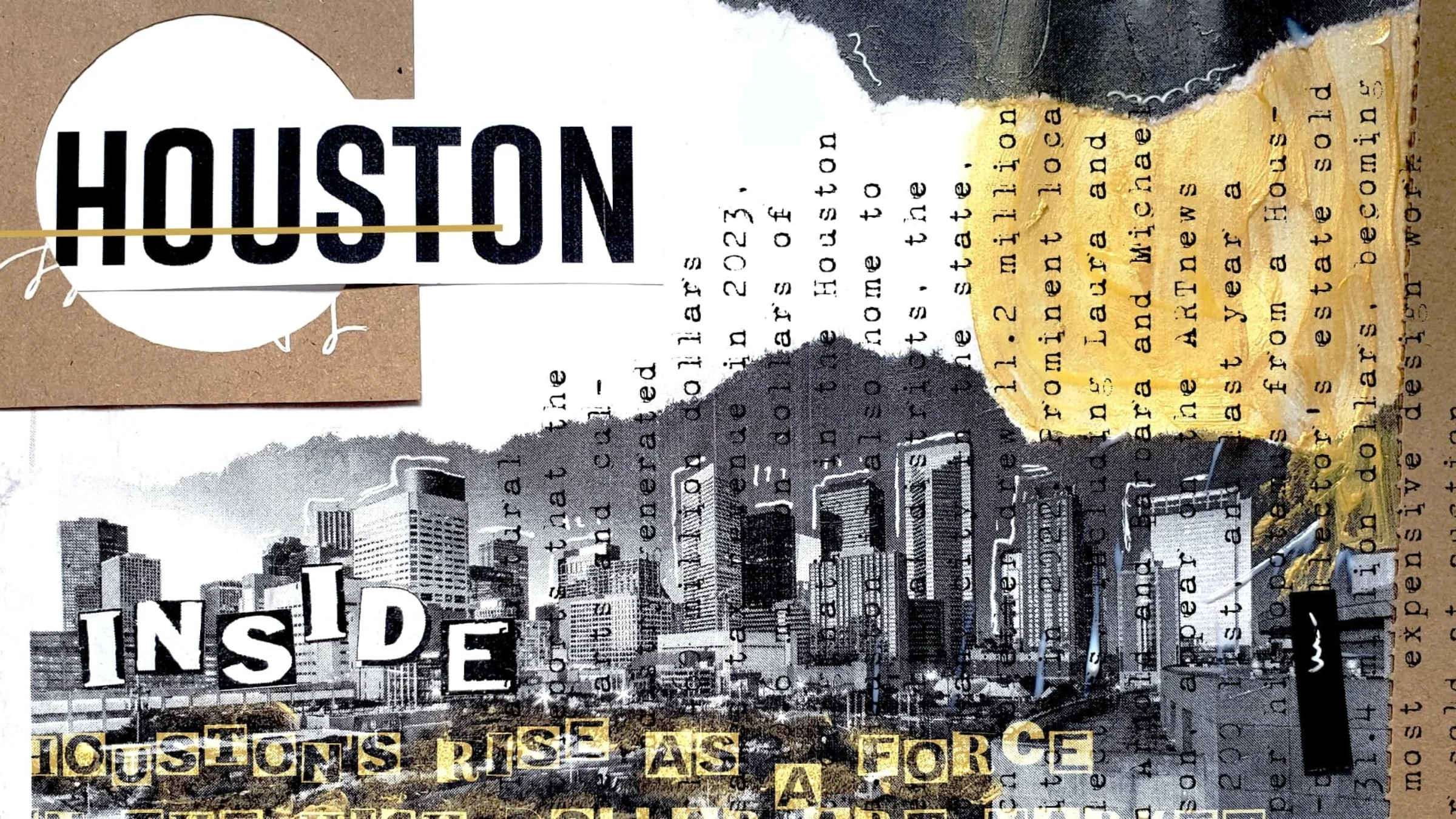
Texas now ranks fourth in the country for art transactions over one million dollars, and Houston is doing much of the work.
The geography of high-end art collecting in the United States is shifting, and Houston sits near the center of the change. According to a recent Bank of America and ArtTactic report, Texas was not even in the top ten states for art transactions over one million dollars in 2015. Today, the state ranks fourth, holding a 6 percent share of that high-value market.
The broader shift is just as striking. In 2015, 53 percent of all U.S. art purchases above one million dollars came from buyers in the Northeast. By 2025, that share had fallen to 32 percent, with the difference moving to buyers in the Southeast and Central South. California, Florida, New York, and Texas now account for roughly 46 percent of all U.S. art spending, and around 80 percent of purchases over one million dollars.
The Texas Cultural Trust reports that the state's arts and culture industry generated nearly 460 million dollars in sales tax revenue in 2023, with 10.6 million dollars of that originating in the Houston area. Houston is also home to seven cultural districts, the most of any city in the state, which together drew 11.2 million visitors in 2022. Prominent local collectors, including Laura and John Arnold and Barbara and Michael Gamson, appear on the ARTnews Top 200 list, and last year a copper hippopotamus from a Houston-based collector's estate sold for 31.4 million dollars, becoming the most expensive design work ever sold at auction.
What This Means for Texas Collectors
Bank of America's Jennifer Chandler describes art as a "heartstring purchase," and the report points to a new generation of buyers entering the market: tech founders diversifying their portfolios, and younger collectors continuing family traditions. From our vantage point at C2, we see this play out in real time. Houston clients are entering serious collecting earlier, with broader interests, and with sharper questions about authentication, provenance, and long-term value than even five years ago.
A rising market rewards discipline. The works most likely to hold and grow in value are those acquired through channels that provide complete documentation, honest market context, and an installation plan worthy of the investment. That is the work of an art advisor, and it is the gap we exist to fill for collectors and the design professionals who serve them.
If you are building or refining a collection in Houston, Dallas, or beyond, we would welcome the conversation. Contact our team to learn more.
Begin a Conversation About Your Collection
Tell us about your space, your team, and the regional voice you want on your walls. Initial consultations are complimentary and discreet — and always begin with a conversation, not a pitch.